Introduction
Stepping into a C-suite interview is a defining moment in an executive’s career. At this level, technical competence is rarely in question. What truly matters is strategic clarity, executive presence, confidence, and the ability to operate as a peer at the highest level of leadership. Yet, many women still enter these rooms feeling the need to prove readiness rather than demonstrate partnership.
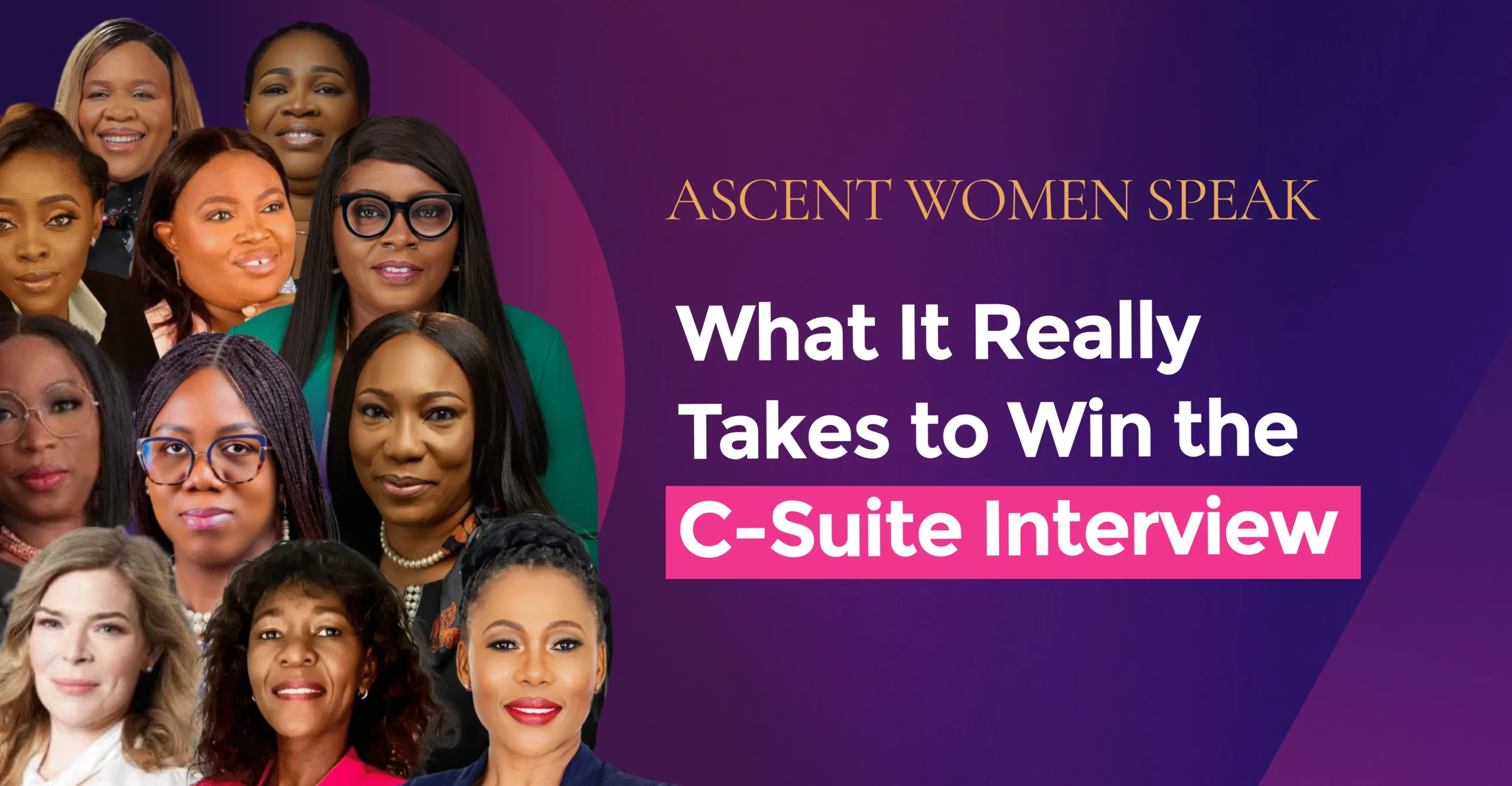
At Ascent Club, we believe growth begins with shared wisdom. So, we asked women across our community:
“Imagine you were speaking to a female executive preparing for her next C-suite interview. What are the top three lessons or tips you would share to help her ace it with confidence?”
Their voices offer a powerful blueprint for women preparing to step into the most consequential leadership conversations of their careers.
1. Mindset Shift: From Candidate to Peer
Sarah Ajose-Adeogun, Managing Partner, Teasoo Consulting
“At the C-suite level, competence is assumed. What sets you apart is clarity of purpose and your ability to articulate the journey that shaped your leadership. Think like a peer, not a candidate. You are assessing alignment as much as they are. Confidence comes from preparation and understanding the business well enough to connect your experience to strategy, transformation, and results.”
Regina Mutheu Kimeu, Executive Director, Society of Clerks at the Table in Kenya (SOCATT-K)
“They invited you because they already believe you can do the job. Go in as a peer, not a candidate. Speak at a big-picture level and show how your leadership would help the organisation get where it is going. Your presence should make it clear, ‘My leadership fits this role.'”
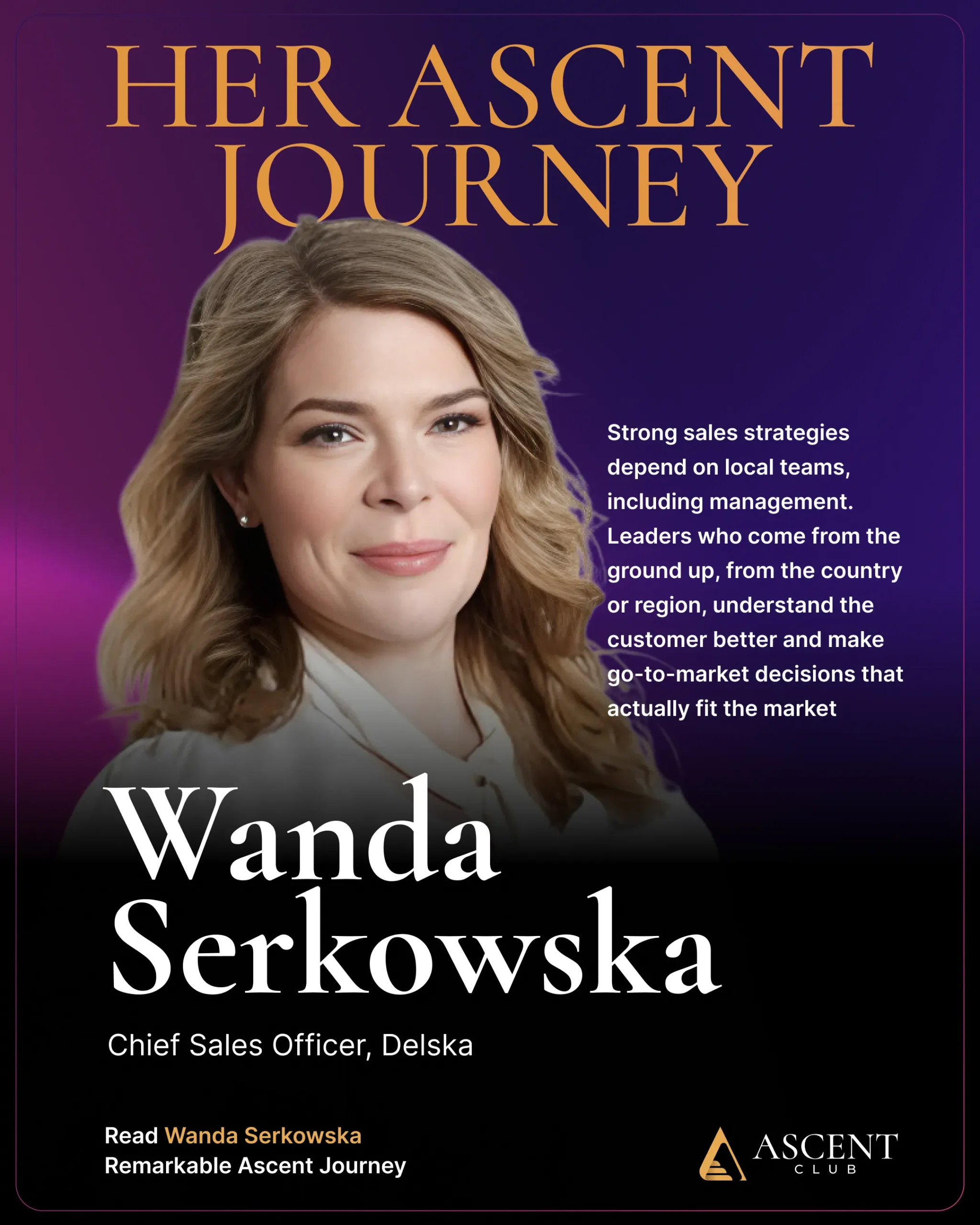
Wanda Serkowska, EMEA Sales Executive, Equinix Inc
“Interview them as much as they interview you. Make it a level-playing field. Know the value you bring and keep your options open. When you remember that you already arrived, the edge comes off and your confidence shows.”
Together, these voices reinforce that confidence at the C-suite level begins with mindset.
2. Executive Presence: What Speaks Before You Do
Dorothy Eboh, Legal and Supply Chain Consultant, Multus Competentia Ltd
“Command your executive presence before you speak. Use strong body language, eye contact, and powerful pauses. Speak the boardroom language using metrics that matter such as revenue growth, market share, cost efficiency, risk mitigation, and shareholder value. Show how you think, not just what you execute.”
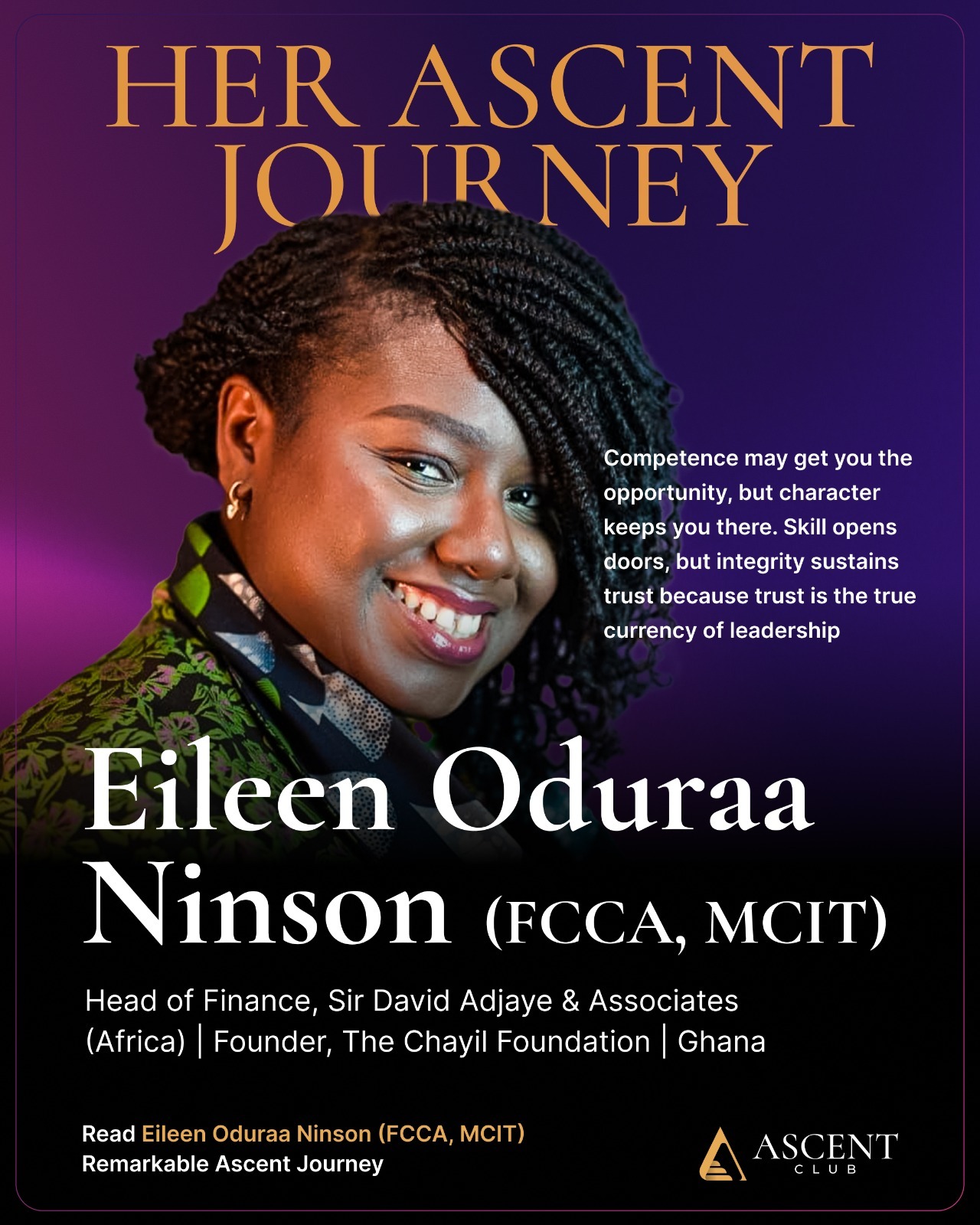
Eileen Ninson, Head of Finance, Sir David Adjaye & Associates Ltd
“The panel already knows you are qualified. They are interested in your strategic thinking and the business impact of your leadership. Tell your story authentically, show what inspires you, and own your executive presence through clarity, confidence, and understanding of protocol.”
Mpono Mosaase, Commissioner, Revenue Services Lesotho
“Confidence is not loud; it is steady. Executive presence comes from knowing who you are and carrying yourself with composure. Connect your leadership to outcomes, align your purpose with the mandate of the role, and remember that every senior position is a form of stewardship.”
These insights show that executive presence is communicated long before answers are given.
3. Strategic Thinking: From Execution to Enterprise Impact
Joy Ojakovo, Manager, Nigerian Breweries
“Respond to questions with the value you bring, not your résumé. Frame yourself as a strategic asset who solves the organisation’s biggest problems. Think like a CEO by connecting your expertise to P&L, growth, innovation, and stakeholder management. Preparation creates opportunity.”
Carine Gracia, Sustainability & ESG Leader, Independent Consultant
“Demonstrate strategic thinking by understanding the broader context of the organisation and articulating a long-term vision. Show how you lead, influence, and align diverse stakeholders. Treat the interview as a two-way conversation and be confident in the value you bring.”
Folasade Femi-Lawal, Country Manager & Area Business Head, West Africa, Mastercard
“C-suite interviews are about enterprise thinking. Shift from talking about your function to how you drive shareholder value and competitive advantage. Own your narrative, command the room with calm authority, and ask strategic questions that show long-term vision.”
Together, these voices highlight that C-suite readiness is measured by how leaders think about the entire business.
4. Authenticity as a Leadership Advantage
Ochanya R. Dan-Ugo, Director, Board of Hope PSBANK; Governing Council, CRMI; Board, UP Digital
“Authenticity gives a competitive advantage because people trust what feels real. Lead with your true story, not a script. Be present, grounded, and honest about your journey. Connect business results to human impact, and stay true to your non-negotiables. A role that does not align with your values is not an opportunity.”
Dr Deborah David, CFO, Powergas
“They are hiring you to see around corners. Confidence comes from clarity about who you are as a leader. Don’t memorise answers; lead the conversation with curiosity, foresight, and vision. They will remember how you made them think, not what you rehearsed.”
These insights reinforce that authenticity, when paired with clarity, builds trust at the highest level.
5. The Interview as Partnership and Stewardship
Jummy Olaiya, Director, Outreach Consulting Limited
“Read the room, own your presence, and build rapport quickly. Remember, the interview is a two-way conversation. You are also assessing whether the organization’s vision, values, and leadership style align with your career goals. Ask thoughtful questions and confidently evaluate if the partnership is the right fit.”
Ascent’s Executive Confidence Framework
Drawing from these shared insights, five themes stand out:
- Think Like a Peer – Enter as a partner, not a candidate
- Lead with Strategy – Speak enterprise impact, not task execution
- Own Your Narrative – Communicate your value with clarity and conviction
- Embody Presence – Calm authority builds trust
- Choose Alignment – The right role aligns with purpose and values
Conclusion
The voices of these accomplished women make one thing clear: confidence in the C-suite interview room is not about performance. It is about preparation, presence, strategic clarity, and authenticity.
At Ascent Club, this is the work we are committed to. We exist to equip ambitious African women with the confidence, visibility, and networks required to rise and thrive in C-suite and boardroom roles across Africa and the world.
Want to be part of this community of strong female voices?
Apply HERE to join our exclusive community.
If you were preparing for a C-suite interview today, which of these insights would you lean into most, and why?
Share your reflections:
- In the comments
- On LinkedIn using #AscentWomenSpeak
Selected responses will be featured in future editions of Ascent Women Speak.